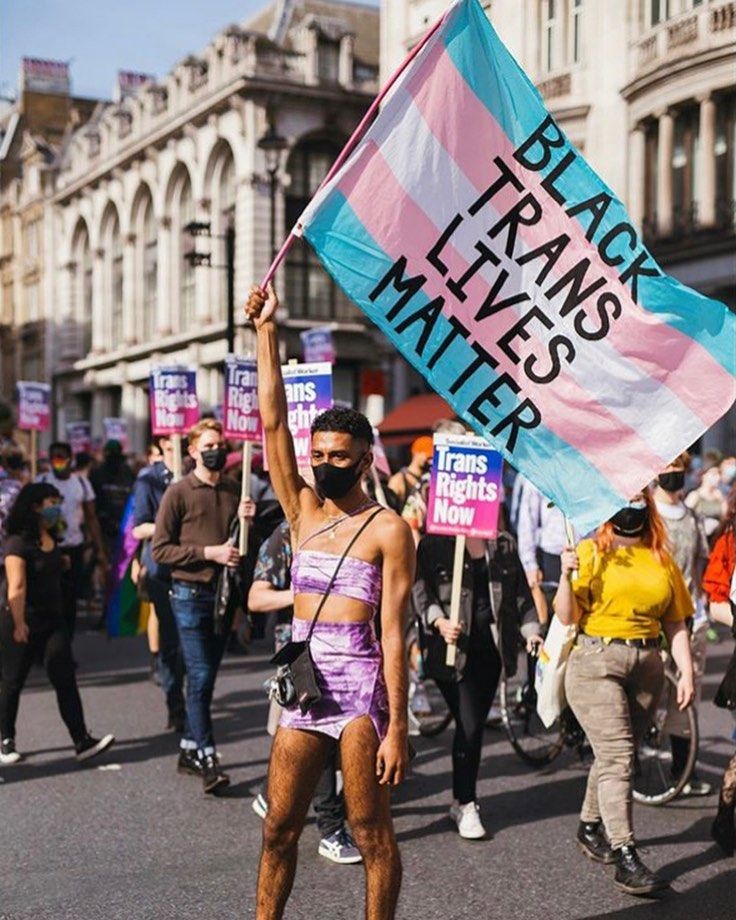
Supporting a Trans or Nonbinary person in Barbados or the wider Caribbean often begins long before you say the words, “I’m here for you.” For many people across small island communities, coming out or exploring gender identity happens alongside cultural expectations, religion, family reputation, and environments where “everyone knows your business.” That can make the journey toward self-discovery both brave and complicated. And for the people who care — parents, siblings, teachers, friends, coworkers — the desire to help is often mixed with uncertainty: What do I say? What if I make a mistake? How do I support them in a culture that isn’t always gentle?
This guide breaks down exactly what meaningful support looks like in everyday Caribbean life. You’ll learn how to affirm people respectfully, avoid common mistakes, create safer spaces at home and work, and stand up for someone when they need it most. Support doesn’t require expertise — just empathy, openness, and a commitment to seeing someone as they truly are.
Why Support Matters in the Caribbean Context
In the Caribbean, family and community play a powerful role in shaping identity and self-worth. This means support can either uplift someone or deeply wound them. When a Trans or Nonbinary person feels understood and accepted, their mental health improves, their sense of belonging strengthens, and their risk of depression or isolation decreases significantly. But when they face rejection — whether through silence, judgment, or attempts to “correct” them — the emotional harm cuts deeply.
Support is not about agreeing with everything immediately. It’s about choosing compassion over confusion, presence over discomfort, and curiosity over fear. In a culture that often moves slowly around topics like gender, your willingness to learn can change someone’s life.
What Support Really Looks Like in Daily Caribbean Life
Support doesn’t have to be dramatic or complicated. It appears in the small, everyday acts that show respect and care. Choosing to use someone’s chosen name at home, even in front of extended family, signals that you value their identity. Respecting someone’s privacy in a neighbourhood where stories travel fast shows that you’re protecting them. Asking genuine questions instead of joking or dismissing them builds trust.
In Caribbean environments — from churches to workplaces to schools — affirmation becomes a safety net. It may take time to adjust, but continuous small acts of kindness create emotional stability for Trans and Nonbinary people navigating systems not built for them. These gestures say, “I see you, I respect you, and I want you to feel safe with me.”
Respecting Names, Pronouns, and Identities
Names and pronouns are not “preferences.” They are core parts of someone’s identity. Using them correctly is one of the strongest ways to show respect. In a Caribbean household, this can feel like a big adjustment, especially when family nicknames and gendered language are deeply rooted in tradition. But every name used correctly communicates acceptance. Every pronoun respected helps reduce gender dysphoria — the emotional distress a person may feel when their identity is not acknowledged.
If you make a mistake, correct yourself gently and move on. Avoid turning it into a big emotional moment or apologizing excessively, because that can shift the focus back onto you instead of the person you’re trying to support. What matters most is consistency.
Avoiding Harmful Reactions or Microaggressions
Many harmful comments come from discomfort, not hatred. But even unintentional harm still hurts.
Common Caribbean phrases like “You weren’t raised like that,” “Stop being dramatic,” “It’s a phase,” or “You will always be [birth gender]” can shut down trust immediately. So can comparing someone’s identity to sin, confusion, or mental instability. Even well-meaning behaviours, like asking invasive questions or sharing someone’s identity with others “just to understand,” can violate privacy and safety.
Replacing harmful reactions with supportive ones is simple. Start with listening. Allow the person to speak without interruption. Ask what they need from you. Let your first instinct be compassion rather than correction. You don’t need to have all the answers — you just need to show up in a way that makes them feel safe.
Supporting a Child or Teen Who Is Exploring Their Identity
Young people across Barbados and the Caribbean often explore their identities internally long before they say a word out loud. Many are afraid of disappointing family, being teased at school, or being misunderstood at home. When a child or teen opens up, that moment is a sign of deep trust. The best response you can offer is warmth, patience, and reassurance.
Exploration is normal. It is not rebellion, confusion, or disrespect. It is simply a young person trying to understand themselves in a world that may not reflect them clearly. Parents and caregivers can support their child by keeping conversations open, communicating love consistently, and learning as they go. Teachers and school staff play a big role too: respecting names and pronouns, stepping in against bullying, and creating classrooms where differences are not punished.
Early support dramatically improves emotional wellbeing — reducing self-harm risk, depression, and anxiety. A supported child becomes a confident adult.

Understanding Gender Dysphoria and Emotional Wellbeing
Gender dysphoria describes the distress a person may feel when their body or how others see them does not align with their gender identity. This isn’t “attention seeking” or “confusion.” It’s a legitimate emotional and physical experience recognized worldwide by medical professionals.
When someone is experiencing dysphoria, even small acts of support can provide relief: using the right pronouns, avoiding body-based comments, respecting privacy, or offering a calm, nonjudgmental space to talk. Workplaces and schools can support emotional wellbeing by avoiding unnecessary gendered language, being thoughtful about uniforms or dress codes, and offering mental health resources without stigma.
What Not to Say or Do
Some actions, even if curious or harmless in your mind, can deeply violate someone’s dignity. Avoid:
- Asking about surgeries or their body
- Using their old name (deadnaming)
- Outing them to others without permission
- Making jokes about their identity
- Treating their gender like a debate topic
These behaviours can create emotional harm and even put someone at physical risk in certain Caribbean environments. Respecting boundaries is a form of protection.
How to Advocate When You Witness Harm or Discrimination
Support is powerful when it becomes active. Advocacy doesn’t always require confrontation — sometimes it’s correcting misinformation in a family conversation or reassuring a coworker that someone’s pronouns are not optional. It can be reporting bullying in a school, speaking up when jokes cross the line, or supporting someone in filing a complaint when necessary.
When you are unsure how to respond, reach out to advocacy groups. They can guide you on how to intervene safely, document incidents, or find additional resources.
Creating Safer Spaces in Workplaces, Schools & Communities
Workplaces have a responsibility to protect employees from harassment and discrimination. This includes training staff, updating internal policies, respecting confidentiality, and ensuring that Trans and Nonbinary employees feel supported, not scrutinized. Schools can implement small but powerful changes too, from allowing students to use affirming names to addressing bullying quickly and consistently.
Community spaces, faith groups, and cultural organizations also play a role in affirming diversity. Compassion does not conflict with Caribbean culture. In fact, compassion strengthens it.
Where to Find Support in Barbados & the Caribbean
Trans and Nonbinary people deserve safety, understanding, and networks of care. Barbados has growing support structures, from LGBTQ+ advocacy organizations to youth-focused services and mental health professionals offering confidential, affirming care. Butterfly Barbados exists to educate, empower, and support individuals and families throughout their journeys. If you’re unsure where to start, we’re here.
A More Compassionate Caribbean Is Possible
Support is not a one-time action — it’s an ongoing commitment to learning, listening, and choosing empathy even when society moves slowly. The Caribbean is changing. People are becoming more open, more informed, and more willing to create environments where Trans and Nonbinary people can thrive.
You don’t have to understand everything immediately. You just have to care enough to try. Your support can become the safe space someone has been searching for.
Call to Action
If this guide helped you, share it with others who want to learn. Follow Butterfly Barbados for more resources, education, and advocacy tools — and help us continue building a Caribbean where everyone can live with dignity, safety, and joy.
Content provided freely by LGBTQ+ Advocacy and Education Professionals.
